
Wildlife
Inside the Komodo Dragon Mating, Nesting and Hatching Cycle
A full look at competition, courtship, nesting and incubation, with an original lifecycle diagram.
Read the guideExplore the Land of Dragons
Discover the dragons, volcanic islands, pink shores and sailing routes of Komodo National Park, with detailed guides for planning a journey from Labuan Bajo.
Meet the world’s largest living lizard, found only in Indonesia.
02The park’s largest island, and the dragon’s namesake home.
03Islands, reefs and wildlife across a UNESCO World Heritage Site.
04Routes, timing and trip formats from Labuan Bajo.
Type “Komodo” into a search bar and you could be looking for an animal, an island, a national park, or a whole region of eastern Indonesia. The four are related, but they are not the same thing — and knowing the difference makes planning a trip much easier.
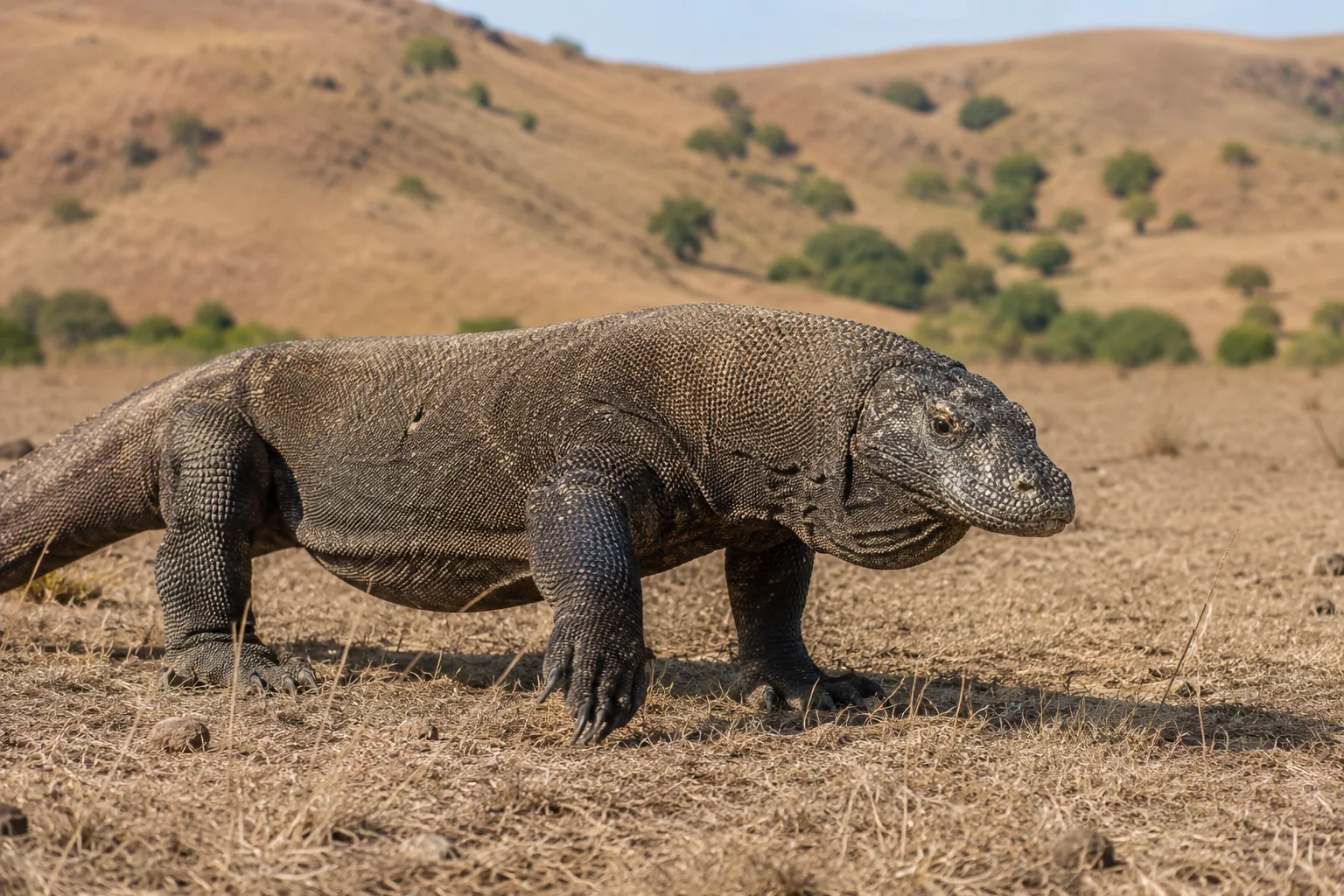
The world’s largest living lizard, found only in this corner of Indonesia.
Read the guideThe largest single island inside the park, and the one the species is named after.
Read the guideA UNESCO World Heritage Site covering dozens of islands, reefs and open water.
Read the guideThe harbor town on Flores where flights land and boats depart for the park.
Read the guideA quick reference for the facts that come up first when people ask about Komodo.
The Komodo dragon (Varanus komodoensis) is a monitor lizard found nowhere else on Earth outside a small cluster of islands in eastern Indonesia, including Komodo, Rinca, Flores and Gili Motang. It is the largest living lizard species, an apex predator capable of taking down prey many times its own size, and a survivor from a much older lineage of giant reptiles.
Dragons live across dry savanna, monsoon forest and beach ridges, moving between habitats as seasons and prey availability shift. They rely on a powerful sense of smell, sharp serrated teeth and a bite that combines mechanical damage with a venomous component, discovered through research in the 2000s, that helps subdue prey.
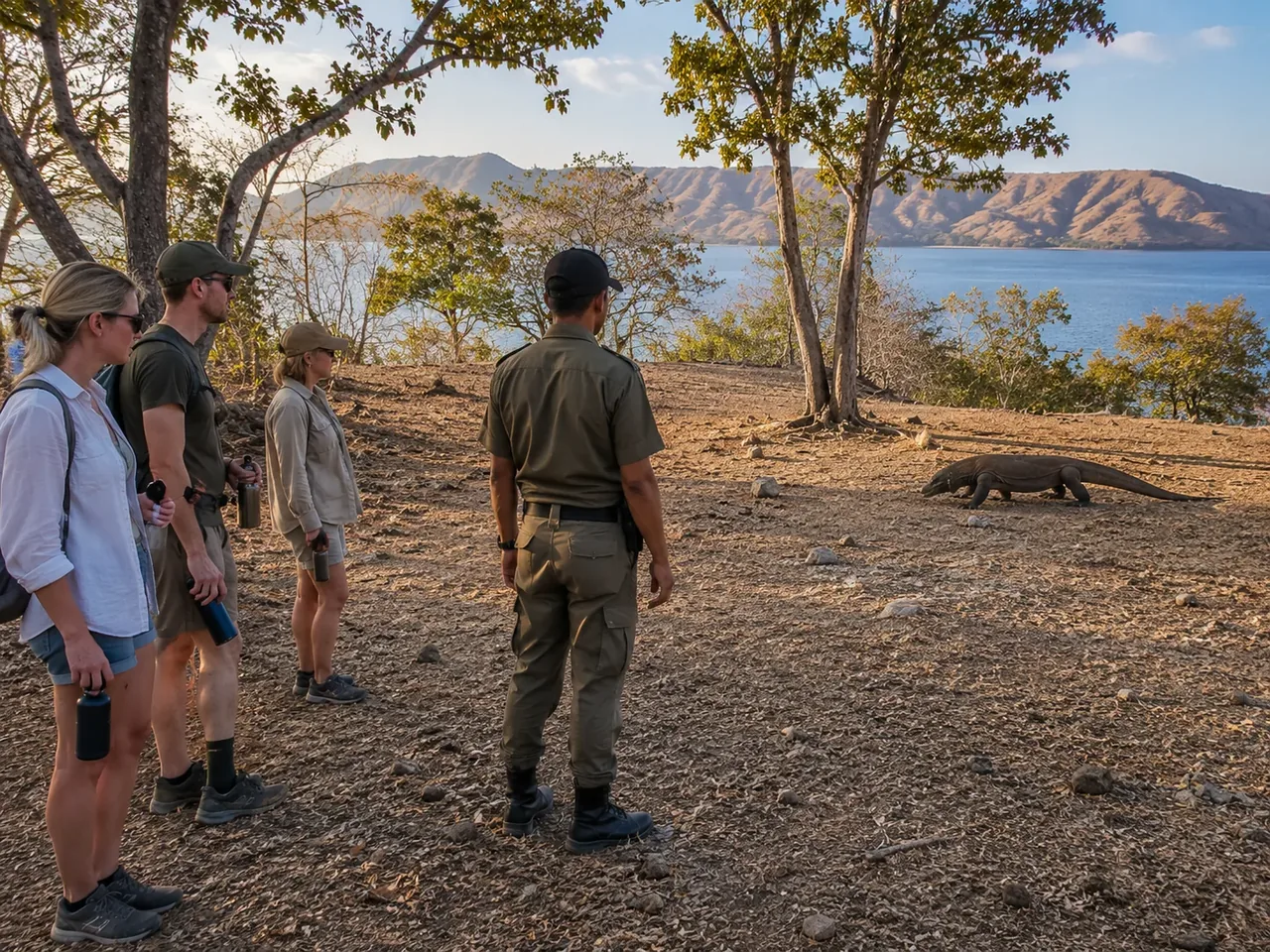
Because dragons are wild, free-ranging animals and not a managed exhibit, every encounter inside the park happens on the terms of a ranger. Ranger guidance exists because dragons are genuinely dangerous animals, not as a formality, and it is also the reason sightings are never guaranteed on any given visit.
Responsible viewing means keeping the distance a ranger sets, never approaching a resting or feeding dragon, and never bringing food that could be mistaken for an offering. It is a wildlife encounter, not a photo opportunity staged for visitors.
A Komodo dragon moving across dry-season savanna.
One of the most-searched Komodo topics is what happens between rival males, mating pairs and hatchlings each year. We built a full, source-backed guide to the cycle — from competition and courtship through to nesting, incubation and hatching.
Each island inside the park has its own character. Here is a working atlas, not a checklist of identical stops.
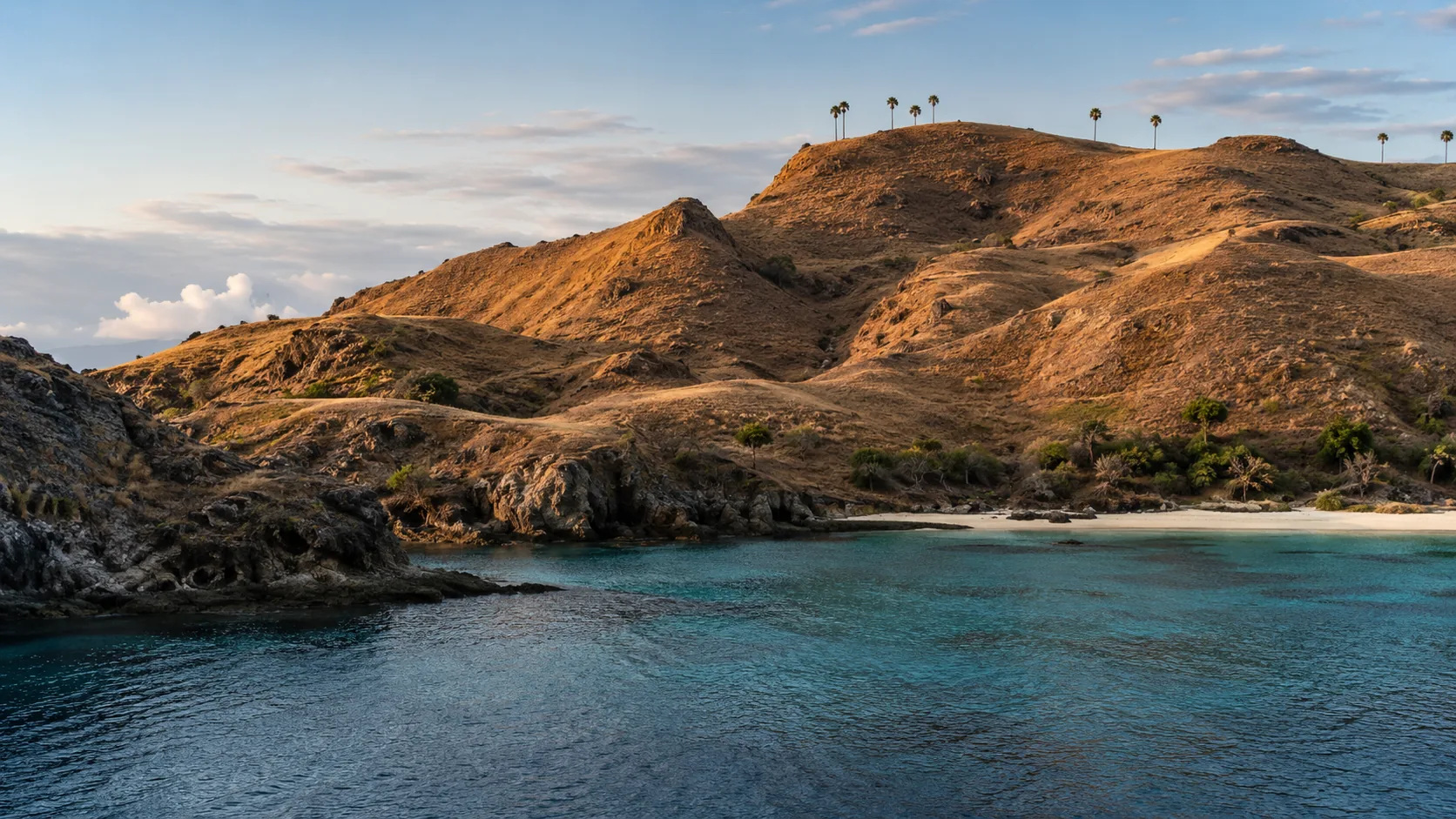
The largest island in the park and the dragon’s namesake home, with ranger-led walks through savanna and forest.
Read the guide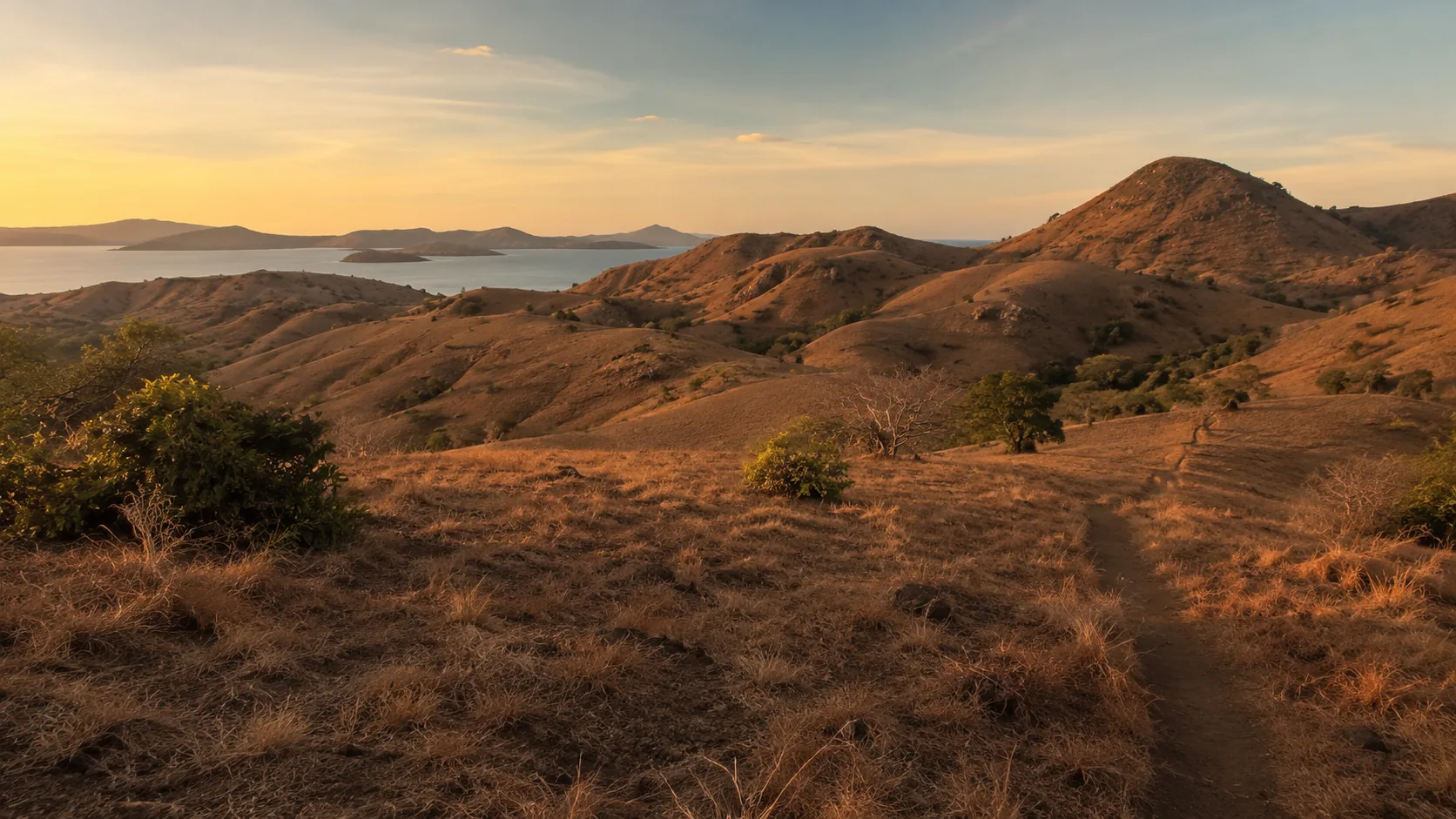
Closer to Labuan Bajo, drier terrain, a common choice for shorter trips.
Read the guide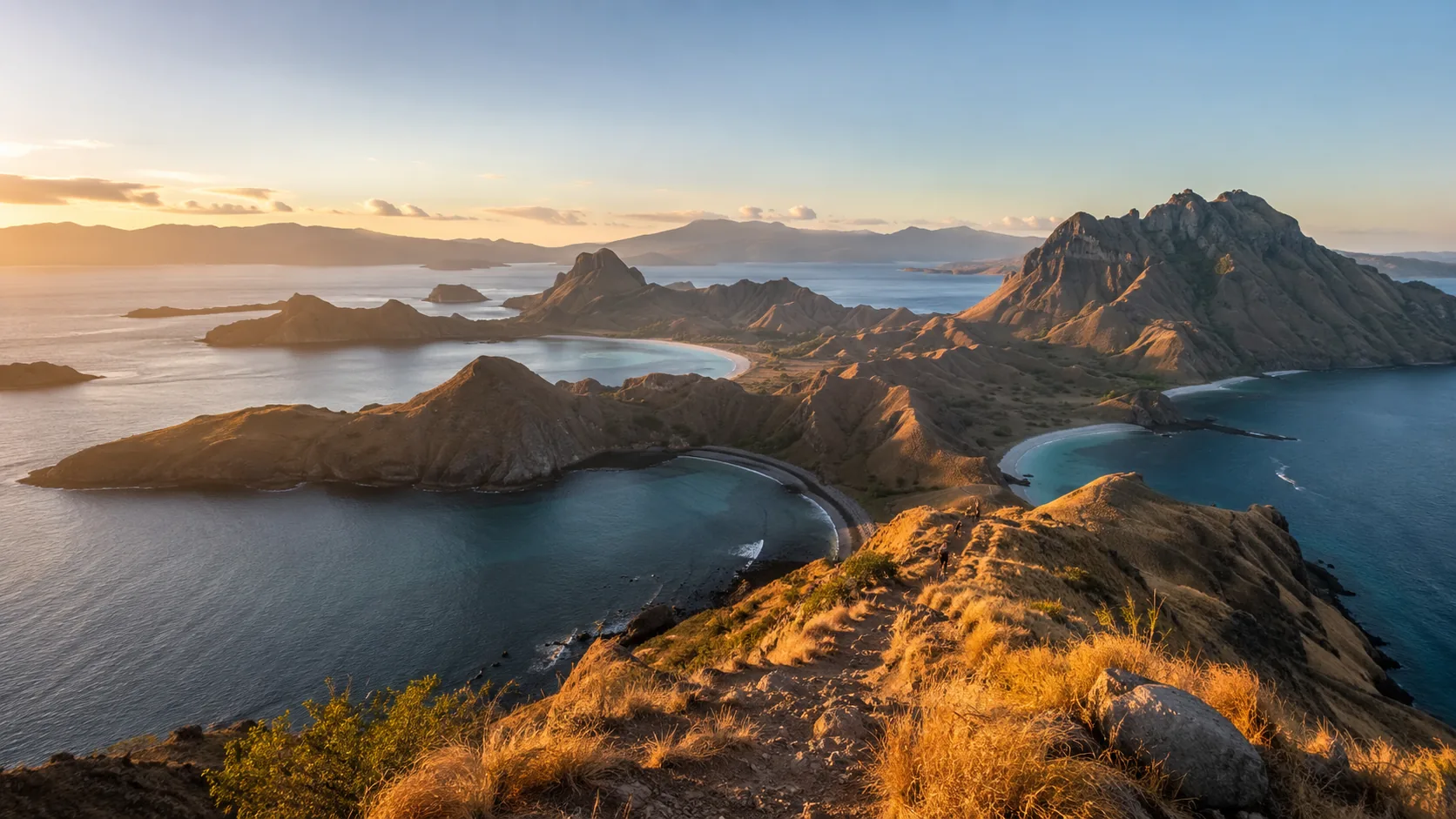
No resident dragon population, but the park’s best-known hiking viewpoint over three bays.
Read the guide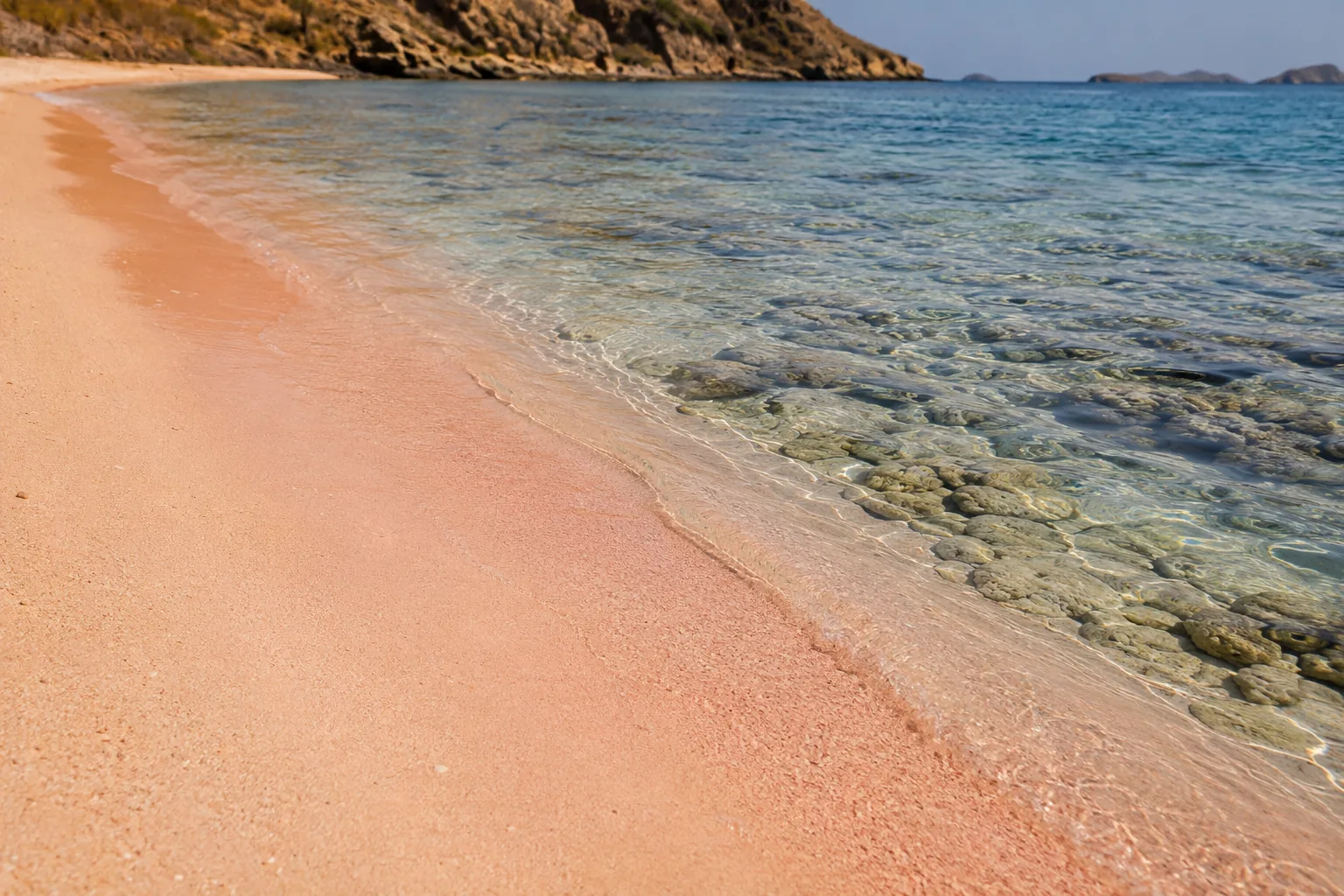
A snorkeling stop known for pink-tinted sand from fragments of red coral.
Read the guide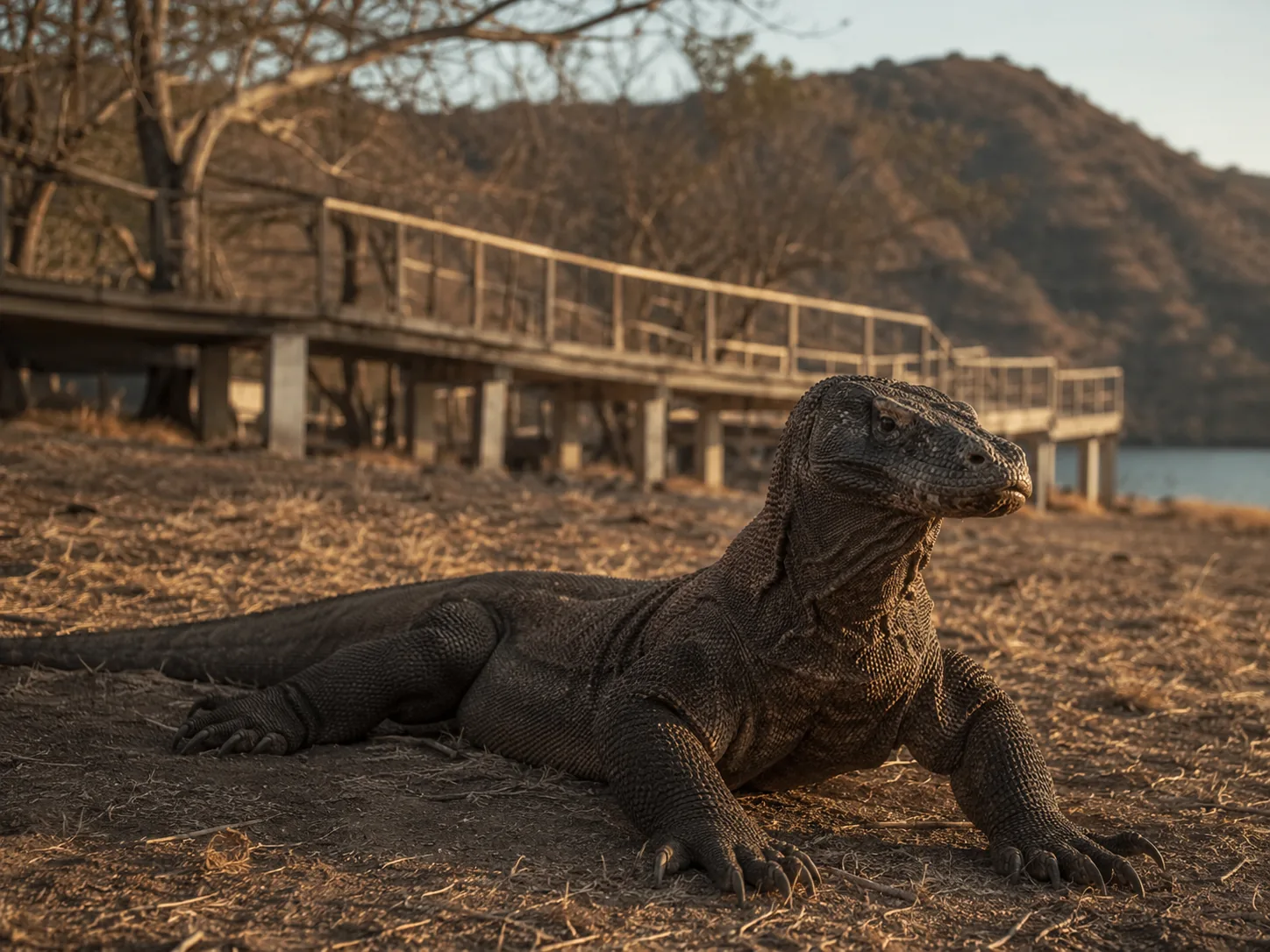
A direct comparison to help you choose if your itinerary only allows for one.
Compare the islandsThese two names get used almost interchangeably in casual conversation, but they describe different things at very different scales.
| Komodo Island | Komodo National Park | |
|---|---|---|
| Meaning | One specific island | A protected area covering many islands and sea |
| Geographic scope | A single landmass | Komodo, Rinca, Padar and dozens of smaller islands plus surrounding waters |
| Main attraction | Ranger-guided dragon walks, savanna and forest trails | Wildlife, hiking viewpoints, coral reefs and island-hopping by boat |
| Wildlife context | One of several dragon populations inside the park | The full protected range of the species plus marine biodiversity |
| Typical access | Boat trip from Labuan Bajo, often paired with other stops | Multiple entry points; most visits are organized as multi-stop boat trips |
| Relevant guide | Komodo Island guide | Komodo National Park guide |
Four practical questions, four dedicated guides.
Routes from Bali, Jakarta and beyond, and how boats and flights connect.
TimingHow rain, sea conditions and visitor demand shift across the year.
Trip formatDay trips, open boat charters, private charters and liveaboards compared.
ItineraryOne, two and three-day journey ideas to adapt to your own trip.
Answer a few questions and get a suggested journey format with reading to match. This tool does not check availability, pricing or bookings — it only points you to the right planning guides.
A general, month-by-month picture of how conditions tend to shift across the year in Komodo National Park.
Wet season. Frequent rain, lush green landscape, quieter trails.
Wet season. Rain remains common; seas can be choppier on some routes.
Transition. Rainfall gradually easing; landscape still green.
Transition. Drier stretches become more frequent through the month.
Dry season begins. Landscape starts turning gold; seas generally calmer.
Dry season. Consistent dry conditions and clearer sailing days.
Dry season, peak demand. Popular travel month; savanna is fully dry and golden.
Dry season, peak demand. Among the busiest months for visitors and boat bookings.
Dry season. Still dry and busy; grasses at their driest, tawny color.
Late dry season. Dry conditions persist; some routes may see building swell.
Transition. Rain becomes more likely as the wet season approaches.
Wet season begins. Rain increases; landscape starts greening again.
Conditions vary from year to year. Confirm weather, sailing conditions and park information before travel.
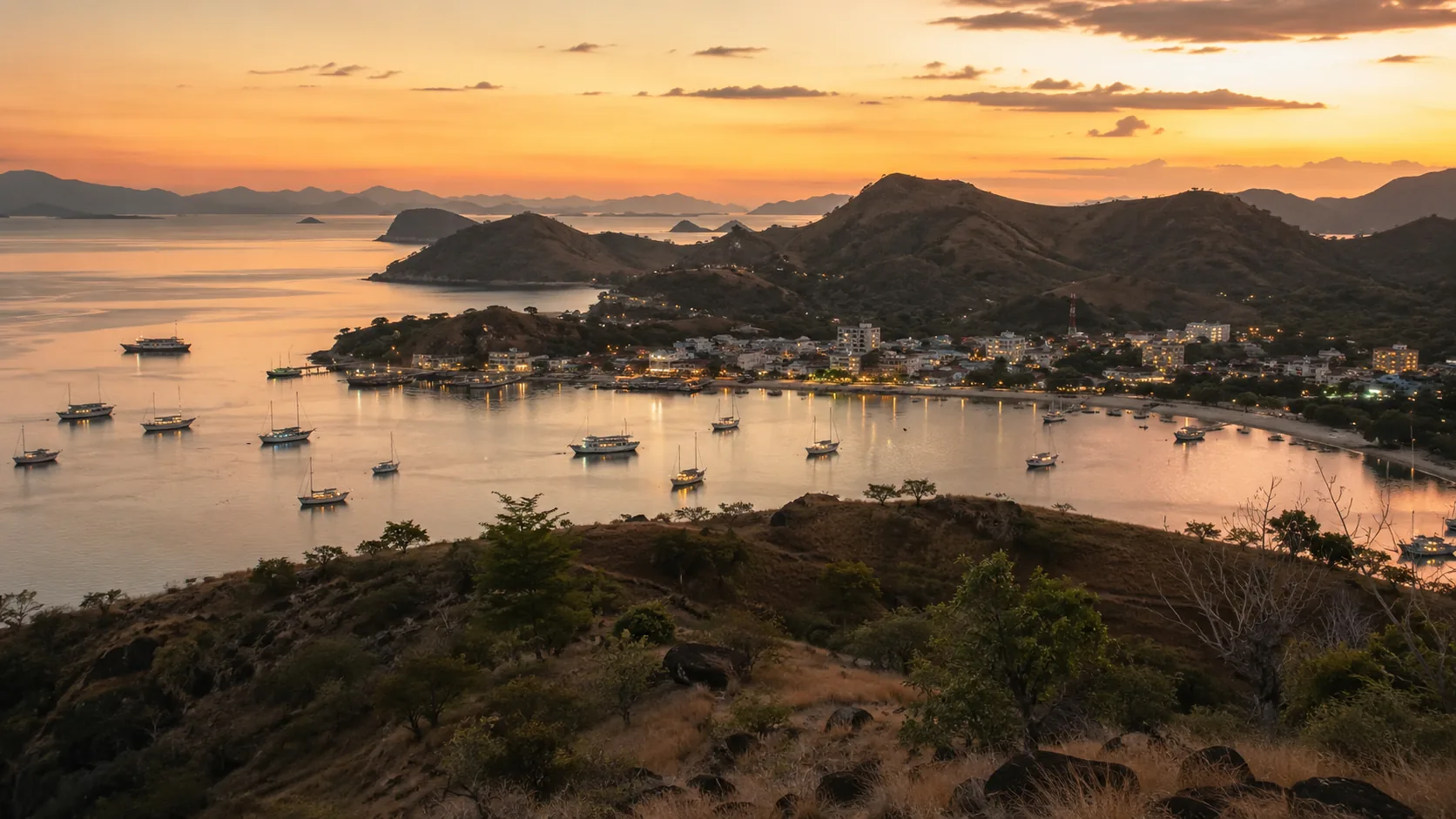
Nearly every trip into Komodo National Park begins in Labuan Bajo, a harbor town on the western tip of Flores. It is where flights land, where boats are chartered, and where most visitors base themselves before or after a trip into the park.
Labuan Bajo is not inside the national park itself — it is the staging point for reaching it, with its own harbor, accommodation options and town center.
The park protects a genuinely rare ecosystem. A few habits make a visit lighter on the place and safer for everyone in it.
A full look at competition, courtship, nesting and incubation, with an original lifecycle diagram.
Read the guide
Habitat, behavior, diet and what responsible viewing looks like in the park.
Read the guide
Concise, source-backed answers to the most common Komodo dragon questions.
Read the guide
What the climb involves and why the viewpoint draws so many visitors.
Read the guide
The story behind the sand color and what to expect snorkeling here.
Read the guide
Realistic routes from Bali, Jakarta and further afield.
Read the guide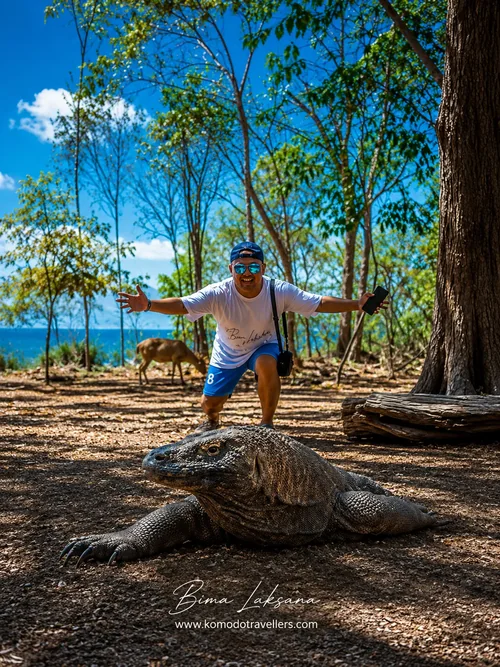
Bima Laksana
Founder and Editor of Komodo Travellers
Bima Laksana is the founder and editor of Komodo Travellers, a travel publishing project focused on Komodo dragons, Komodo National Park, Labuan Bajo and the surrounding islands of eastern Indonesia.
Wildlife and conservation claims on this site are checked against sources such as the IUCN Red List, UNESCO World Heritage Centre, and published research on Varanus komodoensis. Practical travel details are treated as subject to change and should be confirmed with official providers before a trip.